A good workout plan for men depends on your goals, experience, and resources. Whether you want to build muscle, lose weight, get stronger, or just stay healthy, there is a strategy for you. This guide covers major fitness goals, beginner-to-advanced levels, gym and home routines, age-related tips, nutrition, and common FAQs – all with easy-to-follow advice and reliable sources.
Fitness Goals: Muscle, Weight Loss, Strength, and Health
People exercise for different reasons. A complete program should address muscle gain, fat loss, strength building, and overall health. Below are key points and guidelines for each goal.
Muscle Gain (Hypertrophy)
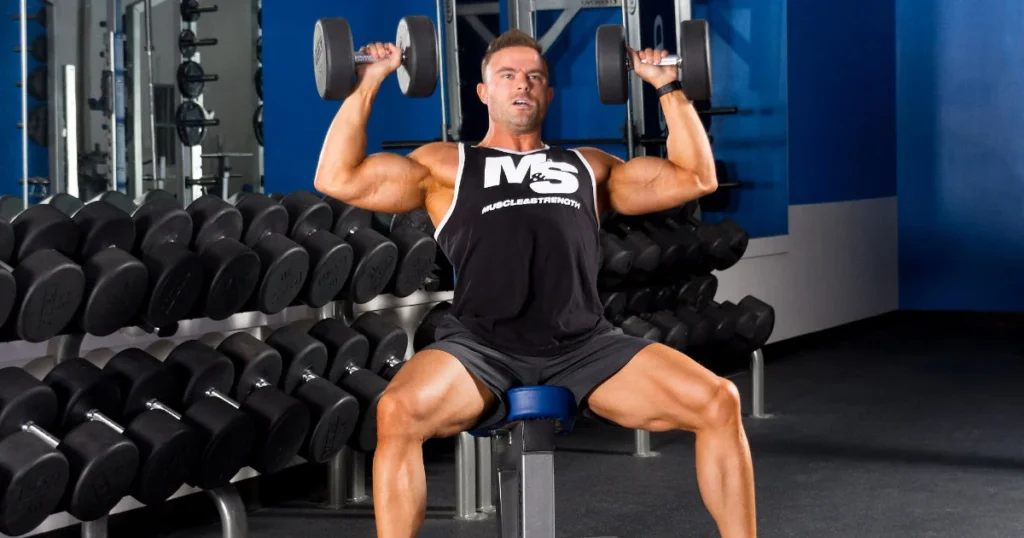
To build muscle, focus on resistance training with enough volume and load. Aim for 6–12 repetitions per set of each exercise – this range stimulates muscle growth. Most sources suggest doing 3–6 sets per exercise as you advance. Use a weight heavy enough that the last few reps are challenging. For beginners, 2–3 sets per exercise and 2–3 days per week of strength training is a good start. As you improve, you can gradually train up to 4–6 days/week and increase sets.
- Key lifts: Focus on big compound moves (squats, deadlifts, presses, rows, pull-ups) that work many muscles. These build size and strength together.
- Progressive overload: Slowly add weight or reps over time (2–10% increases) to keep your muscles growing.
- Protein and rest: Eat enough protein (about 1.2–2.0 g per kg of body weight daily) to support muscle repair, and allow muscles 48+ hours to recover between heavy sessions.
Consistent weight training builds muscle and a stronger back. Aim for moderate rep ranges (6–12) and gradually lift heavier over time.
Weight Loss (Fat Loss)
For fat loss, exercise must be combined with diet. You need to burn more calories than you eat. Aerobic exercise helps create a calorie deficit, and strength training preserves muscle while you lose weight.
- Aerobic Exercise: Aim for at least 150–300 minutes per week of moderate cardio (like brisk walking, cycling) or 75–150 minutes of vigorous activity (running, HIIT). For extra weight loss, more activity or longer sessions can help. Even 20–30 minute workouts 5–6 days a week burn significant calories.
- Strength Training: Do muscle-strengthening exercises 2–3 times per week. Lifting weights (or doing body-weight exercises) burns calories and prevents muscle loss as you diet. A balanced program might alternate cardio days with full-body strength days or combine them in circuit workouts.
- Diet: Cut calories moderately (about 500 fewer calories per day) and focus on nutritious foods (plenty of veggies, lean proteins, whole grains). Nutrition plays a huge role; you can’t out-exercise a poor diet.
For weight loss, combine cardio and weights. Running, cycling or HIIT burns fat, while strength training keeps muscle. A study notes you may need more exercise plus healthy eating to lose weight and keep it off.
Strength Building
If your main goal is raw strength (lifting heavier), focus on low-rep heavy lifts. Training for strength means lifting weights with fewer reps and longer rest than hypertrophy training.
- Reps and Sets: Use about 1–5 reps per set on major lifts (squat, deadlift, bench press, overhead press, pull-ups). Do 4–6 sets of each. This “big 5” routine (bench, squat, press, pull-up, deadlift) is famous for strength gains.
- Intensity: Lift near your max (heavy weight) with full rest (2–5 minutes) between sets. Strength training is more about neural adaptations than muscle size; you’ll get more powerful over time.
- Frequency: Even strong lifters should train each lift about 2–3 times per week or follow a “push/pull/legs” split each twice weekly. The advanced Healthline plan shows a 6-day push/pull/legs split for experienced lifters.
A classic “Big 5” strength routine uses 5 sets of 5 reps of the squat, bench press, overhead press, pull-ups, and deadlift. This kind of program (heavy with low reps) is ideal for getting much stronger.

General Health and Fitness
Even if you’re not chasing big muscles or abs, exercise is vital for overall health. Guidelines for healthy adults are: ≥150 minutes moderate aerobic activity/week (or 75 min vigorous) plus 2 or more days of strength work. This can include anything from brisk walking and cycling to weight training and yoga.
- Cardio for Heart: Regular aerobic exercise lowers heart disease risk and improves stamina. The American Heart Association advises at least 150 min of moderate cardio weekly.
- Strength for Bones and Metabolism: Lifting weights or doing bodyweight exercises preserves muscle and bone mass. Studies show resistance training helps prevent osteoporosis, maintain independence, and even boosts mood.
- Flexibility and Balance: Include stretching or yoga for flexibility and joint health. Balance exercises (like one-legged stands) are especially good as you age.
- Consistency: Small amounts of movement add up. Even 20–30 minute workouts most days benefit your mood, sleep, and metabolism.
In short, a well-rounded fitness program improves strength, endurance, body composition, and health. It also protects you against age-related decline. Balancing cardio and strength training is key for all goals.
Also Read Upper Body Beginner Workout (No Weights)
Training Levels: Beginner, Intermediate, Advanced
Workouts should match your experience. Here’s how to adjust routines by level:
Beginner (0–6 months consistent training)
If you’re new (or returning after a long break), start simple and low-volume. Aim for full-body workouts 2–3 days per week. Use basic exercises (push-ups, squats, rows, lunges) to learn form. Start with 8–12 reps, 1–3 sets per exercise. Keep the weight light enough to master technique. You’ll see gains quickly at first, so start gradually to avoid injury. Key points for beginners:
- Form First: Learn the correct way to move. Poor form can cause injuries.
- Rest: Allow 1–2 days between full-body sessions for recovery.
- Progress: Each week, add a bit more weight or one extra rep as long as you keep good form.
Intermediate (6 months–2 years training)
After building a base, you can handle more work. Intermediates often train 3–5 days per week. Workouts can focus on specific body parts or split routines (e.g. upper/lower body days, or push/pull/legs). Use moderate-heavy weights with rep ranges around 6–12. Incorporate 2–4 sets per exercise.
- Workout Variety: Change exercises or splits to keep progressing. You might do full-body sessions (3 days) or alternate upper and lower body days.
- Volume: Gradually increase sets or sessions per week. A common approach is 3–4 total workouts focusing on different muscles each day.
- Technique: Continue perfecting technique and add isolation moves (curls, flyes) if desired.
Advanced (2+ years training)
Advanced lifters have high capacity. You can train 5–6 days per week if desired, using split routines (e.g. push/pull/legs each 2x weekly) or complex periodized plans. Focus on progression strategies (like pyramid sets, drop sets, periodization). Rep ranges may vary: heavy days (1–5 reps) for strength, moderate days (6–12) for size. More techniques (supersets, time under tension) can be used.
- Challenge Yourself: Advanced training is only for those with years of experience. Expect slower, smaller gains, so program cycles (like 4–8 week phases) help keep progress.
- Recovery: Even as an advanced trainee, rest and diet become crucial. Avoid overtraining by monitoring fatigue and scheduling deload weeks.
- Safety: Use spotters or machines for heavy lifts, and listen to your body to avoid injury.
Note: There’s no strict cutoff between levels. Go by progress: if you stall on your current routine for weeks, it might be time to move up a level. Conversely, advanced routines performed too early can lead to poor results or injury.
Gym vs. Home Workouts
You can get fit in a gym or at home. Each has pros and cons:
Gym Workout Routines
A gym has weight machines, barbells, and cardio equipment. Gym routines often allow heavier lifting and machine-based exercises. For example, a standard gym plan might look like:
- Upper/Lower Split: Upper body (chest, back, shoulders, arms) on Day 1; Lower body (legs, glutes, core) on Day 2; rest or cardio on Day 3; repeat.
- Push/Pull/Legs: Day 1 push exercises (chest, shoulders, triceps), Day 2 pull (back, biceps), Day 3 legs, each with heavy compound lifts.
Gyms allow progressive loading (heavier barbells) to build strength. They also have machines for beginners to guide form. Just follow the same guidelines (reps, sets) as above – whether using barbells, dumbbells, or machines.
- Equipment: Use machines or free weights to train all major muscles
- Examples: Bench press, leg press, lat pulldown, leg curls, cable rows, shoulder press, etc.
- Cardio Equipment: Treadmill, bike, rower, or stair-climber for heart health or fat loss.
Home Workout Routines
Home workouts can be just as effective, especially if you have minimal equipment. A bodyweight or minimal-equipment routine can include squats, lunges, push-ups, planks, pull-ups (if you have a bar), and dumbbell exercises. Healthline notes that at-home workouts can work for any level, substituting bodyweight movements when needed. For example:
- Beginner Home Routine: 3 days per week of full-body workouts. Exercises: bodyweight squats or goblet squats, push-ups, bent-over rows (with dumbbells or bands), lunges, dumbbell presses, planks. (See “Home Workout Routine” below for a sample).
- Intermediate/Advanced Home Routine: Use heavier dumbbells, resistance bands, or household items. You can split by body parts or do circuit-style training.
- Cardio at Home: Jump rope, high knees, jumping jacks, mountain climbers, or running/stairs if space permits.
For weight loss, even add short cardio between strength circuits. Healthline suggests adding running or cycling on off-days for fat loss goals. Remember to warm up and cool down, and focus on form – same as in the gym.
Home workout sample (3-day split) – This beginner-friendly plan uses minimal equipment (dumbbells or bodyweight) (SRC-healthline):
- Day 1 (Legs, Shoulders, Abs): Dumbbell squats, standing dumbbell press, lunges, bent-over dumbbell rows, calf raises, crunches.
- Day 2 (Chest, Back, Core): Push-ups (or dumbbell bench press), dumbbell rows, chest flies (floor press), dumbbell deadlifts, dumbbell pullover, plank.
- Day 3 (Arms, Abs): Bicep curls, triceps extensions (or dips), hammer curls, triceps kickbacks, alternating curls, sit-ups or planks.
Each exercise: 3–4 sets of 8–12 reps (abs 12–15 reps). Rest 60–90 seconds between sets. Repeat each workout once per week. Adjust reps as needed.
Tips by Age Group
Fitness needs change with age. Here are age-specific tips for men:
20s
In your 20s you generally have high energy and fast recovery. This is when building muscle and strength is easiest. Common habits are heavy weightlifting and intense workouts. Key points for 20s:
- Focus on Foundation: While you may lift heavy and want a big physique, also build good habits. Include mobility (stretching, yoga) and basic cardio for endurance. This pays off later.
- Experiment: Try different training styles (strength, hypertrophy, HIIT) to see what you enjoy and respond to.
- Lifestyle: You may have fewer responsibilities, so take advantage of time to build skills. But also develop balance: don’t skip warm-ups or sleep. Injuries are easier to bounce back from now, but bad habits (like poor form or neglecting rest) can cause problems later.
30s
Your 30s often bring more responsibilities (career, family). Recovery may begin to slow down. Focus on efficiency and balance:
- Full-Body and Functional: Prioritize total-body workouts and compound movements (squats, deadlifts, rows) that give the most benefit per session. You might train 3–4 times a week with full-body or upper/lower splits.
- Core and Cardio: Work on core strength for posture and do a mix of steady cardio and interval training (e.g., HIIT or Zone 2 cardio at 60–70% max heart rate). Even a 20-minute jog or interval session 2–3 times a week helps.
- Mobility: Make stretching or mobility drills a regular part of training. This prevents injury as your body gets less flexible.
- Time Management: You may have less free time. Keep workouts focused (compound lifts first) and manageable (30–60 minutes). Consistency is key.
40s
In your 40s, joint health and flexibility become more important. Muscle and bone naturally start declining (sarcopenia), so strength training is essential to counter that.
- Functional Strength: Emphasize functional, whole-body exercises: lunges, squats, push-ups, farmer’s carries. These improve strength and daily function.
- Mobility & Balance: Daily stretching routines for shoulders, hips, and back. Add balance work (like standing on one leg) to reduce fall risk.
- Moderate Loads: Use moderate weight and rep ranges (8–15 reps) rather than max lifts. Heavy singles for max strength are riskier; moderate intensity gives muscle growth with less joint stress.
- Recovery: Spread workouts out or train more often with lighter days. After a hard session, give your body 2+ days to recover.
- Listen to Your Body: Joint pain or excessive soreness are warning signs – adjust exercises or weight if needed. Goblet squats (holding a weight in front) can replace barbell squats to be gentler on the back.
50s and Beyond
Even after 50, staying active is vital. Strength training helps keep bones and muscles healthy. Adjust for age:
- Focus on Quality: Choose joint-friendly movements and avoid jerky or max-effort lifts. For example, do goblet squats or machine leg presses instead of heavy barbell squats, and do push-downs instead of weighted dips if shoulder issues exist.
- More Recovery: Take extra rest between tough workouts (2–3 days if needed) and prioritize sleep. Allow more time to warm up and cool down.
- Maintain Muscle: Keep lifting weights (even if lighter) to preserve strength and metabolism. Research shows older adults retain more strength and bone density with regular resistance exercise.
- Balance & Flexibility: Continue mobility work daily. Include gentle yoga or tai chi for flexibility and balance.
- Health Checks: It’s smart to check with a doctor before starting anything new, especially if you have health conditions. But generally, it’s never too late to see gains and health improvements from exercise.
Ageless Advice: As one coach says, “Lifting weights in your 20s is about looks, but in your 40s it’s about functional movement.” Adapt your routine to stay strong and injury-free as you age.
Diet and Nutrition
Your diet is fuel for workouts and recovery. A balanced nutrition plan helps you build muscle, burn fat, and stay healthy. Key points:
- Balanced Plates: Follow general healthy eating guidelines. The Harvard Healthy Eating Plate suggests half your plate be vegetables and fruits, a quarter whole grains, and a quarter healthy protein sources. Include healthy fats (olive oil, nuts) and drink plenty of water.
- Protein for Growth: Protein is the building block of muscle. Active individuals should eat about 1.2–2.0 grams per kg of body weight daily (roughly 0.5–0.9 g per pound). For example, a 180-lb man might aim for 100–140g protein/day. Spread protein evenly over meals. Good sources include lean meats, poultry, fish, eggs, dairy, and plant proteins (beans, tofu).
- Carbs and Energy: Carbohydrates fuel workouts. Include complex carbs (whole grains, oats, rice, potatoes) around your training times. Before exercise, eat easily digested carbs (banana, oatmeal) 1–2 hours prior. After workouts, have carbs plus protein (e.g. chicken and rice) to refill muscle energy and start repair.
- Healthy Fats: Don’t fear fats: include sources like olive oil, avocados, nuts, and fatty fish. They support hormones and joint health. Limit trans fats and excess saturated fats.
- Hydration: Drink water throughout the day and especially around workouts. Dehydration can sap performance. For workouts longer than an hour or in heat, consider electrolyte drinks or sports beverages in moderation.
After exercise, a balanced meal (vegetables, healthy carbs and protein) aids recovery. Nutrition is as important as training.
- Calorie Control: To gain muscle, eat slightly above maintenance calories (500–700 extra per day). To lose fat, eat slightly below maintenance (about 500 fewer per day). Extreme diets usually backfire. Focus on whole foods and limit junk. A slow, steady approach (1–2 lbs per week change) is healthiest.
- Meal Timing: There are no strict “magic” timing rules, but try not to train completely fasted. If you have hours until a meal, a light snack (fruit, yogurt) 30 min beforehand helps energy. After training, eat a meal or snack with protein and carbs within an hour or two.
- Supplements: Most can get by on real food. You might consider whey protein or a multivitamin if needed, but prioritize whole foods. Avoid excessive supplements without a doctor’s advice.
Good nutrition supports your workouts. As the American Heart Association says, fueling up before exercise and refueling after are important for performance and recovery. Always plan your meals around your training and lifestyle needs.
Frequently Asked Questions (FAQ)
What is the best workout split (full-body, upper/lower, push/pull)?
There’s no one “best” – it depends on your schedule and goals. Beginners often do full-body routines 2–3 times/week to build a foundation. Intermediate lifters might use an upper/lower split (alternating upper-body days with lower-body days) or push/pull/legs split to increase volume. Advanced trainees might do push/pull/legs 2–3 times each per week (6 days total) or more specialized splits. The key is to train each muscle group about 2 times weekly and give it enough intensity and recovery. A popular “Big 5” plan focuses on five compound lifts (squat, bench press, overhead press, pull-up, deadlift) each in a 5×5 format for overall strength.
How many days per week should I train?
Most adults benefit from 3–5 days of exercise per week. This can include 3–5 days of any combination of cardio and strength training. For example, 3 full-body lifting sessions plus 2 cardio sessions is a good balance. Beginners may start with 2–3 days and add more later. The U.S. guidelines recommend at least 150 minutes of exercise spread over the week. For strength goals, plan at least 2 strength sessions per week; for building mass, 3–6 days (with splits) is common. Crucially, allow 1–2 rest days for recovery.
How long should each workout be?
Quality over quantity. A typical strength workout lasts 30–60 minutes. High-intensity or heavy lifts may need longer rests and thus longer sessions, while circuit or bodyweight workouts can be done quicker. Research shows that 150–300 minutes per week of moderate activity is ideal, so that could be five 30-minute sessions. If time is short, even 20–30 minutes of focused effort can be effective. Listen to your body: workouts longer than 60–90 minutes can cause fatigue and diminishing returns, so plan accordingly.
Can I build muscle or lose fat with home workouts only?
Yes. You can gain muscle and lose fat at home using bodyweight exercises and simple equipment. Bodyweight training (push-ups, squats, lunges, planks, pull-ups) builds strength. Adding dumbbells or resistance bands increases the challenge. Studies and experts note that resistance exercise doesn’t have to use machines – free weights, body weight, bands, or even household items all work. Healthline confirms a well-designed home routine can produce “sizable muscle and strength gains” with minimal equipment. For fat loss, make up for lack of machines by adding high-intensity intervals (HIIT) or extra cardio (running, cycling) at home. Consistency and progressively harder workouts (more reps/sets or heavier weights) are key.
What is the “Big 5” workout routine?
The “Big 5” is a strength-focused routine of five compound lifts: bench press, squat, overhead press, pull-up, and deadlift. Typically done as 5 sets of 5 reps each. This covers all major muscle groups and is great for building raw strength. It’s an example of focusing on heavy, full-body movements.
How soon will I see results?
Initial changes (like feeling stronger or more energized) can appear in a few weeks. Muscle gains and body transformations are individual, but generally you may see visible changes in 6–12 weeks of consistent training and proper diet. Beginners often see faster progress at first. Fat loss depends heavily on diet; a safe pace is 1–2 lbs/week. Remember, progress isn’t always linear. Keep at it – consistency over months is what brings lasting results.
How do I avoid injury?
Warm up before lifting (5–10 min light cardio and dynamic stretches) to pump blood into muscles.
Learn form: Focus on technique over ego. Lower weight if you can’t maintain good form.
Increase gradually: Don’t jump to very heavy weights or high volume overnight. Add weight or sets slowly.
Listen to your body: Sharp joint pain or extreme fatigue are warning signs. Rest if sick or overly tired.
Stay hydrated: Drink water during workouts, especially in heat.
Rest and Recover: Give muscles time to heal between hard sessions. Overtraining leads to injuries.
By following these rules, you greatly reduce risk of strains or sprains. Harvard Health agrees that proper warm-up, correct form, and gradual progression are key to safe exercise.
Do I need supplements or special protein powder?
Most nutritional needs are met by whole foods. However, many athletes use supplements to help meet protein goals. A protein powder can be convenient to reach your 1.2–2.0 g/kg target if you struggle with diet alone. Otherwise, focus on lean meats, fish, eggs, dairy or plant proteins like beans and tofu. Always prioritize real foods (vegetables, fruits, whole grains, healthy fats) for the majority of your calories. Supplements like creatine and whey protein can help but should complement, not replace, a good diet.
Should I do cardio every day?
Not necessarily every day, unless short and light. Aim for 150+ minutes/week of moderate cardio (e.g. 30 minutes on 5 days) for health. You can incorporate lighter cardio (like walking) daily, but intense cardio (running, HIIT) 3–5 times a week is sufficient for most goals. Strength training on other days still improves fitness. In fact, even light daily movement (like walking) “offsets some risks” of being sedentary. Balance cardio with your strength routine and rest days for recovery.